
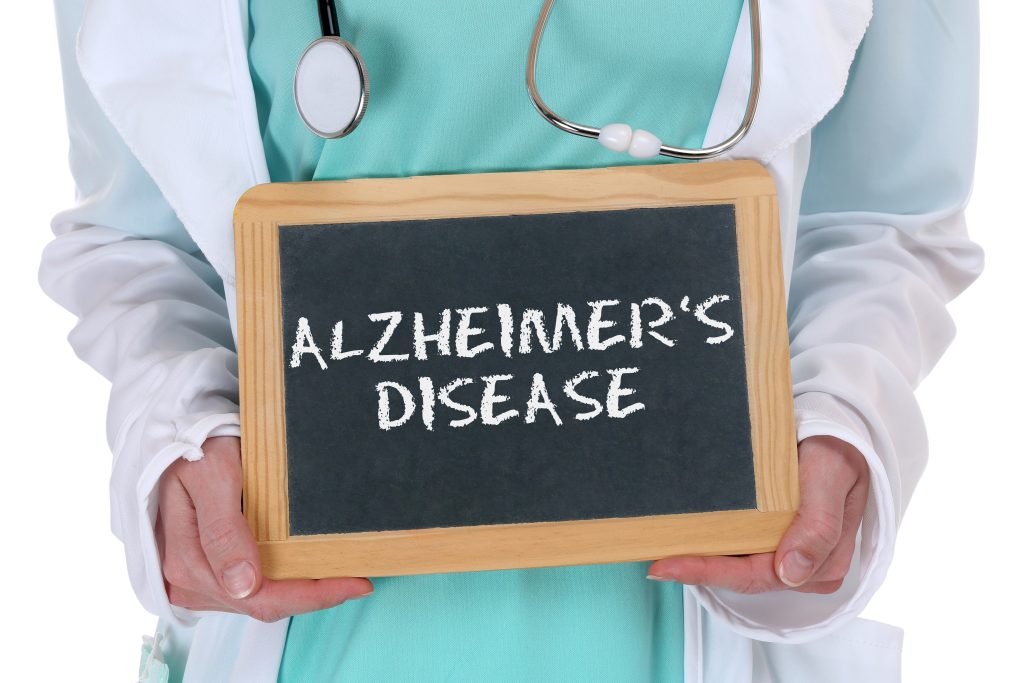
Because we all hear so much about Alzheimer’s disease, people often think it was recently discovered. On the contrary, the disease we all know as “Alzheimer’s” was identified and named over a century ago. If you were recently diagnosed with the disease, you are probably experiencing a range of emotions from fear to confusion to anger. Working through those emotions won’t be easy; however, there are some practical things you need to know to help you process your diagnosis and protect yourself in the future. Toward that end, the Vero Beach attorneys at Kulas Crawford & Smith offer practical steps to take following an Alzheimer’s diagnosis.
Understanding Alzheimer’s Disease
According to the Alzheimer’s Association, one out of every nine people over the age of 65 in the United States is currently suffering with Alzheimer’s disease. That means that over six million people in the U.S. alone have been diagnosed with the disease. By 2050, that number is expected to more than double.
The National Institute on Aging explains Alzheimer’s disease as a “brain disorder that gradually erodes memory, thinking abilities, and eventually the capacity to perform even basic tasks.” Although it is possible to suffer from “early onset” Alzheimer’s, most people do not show symptoms of the disease until they are in their 60s or beyond.
As the number of older adults continues to grow at a historic rate, the race to find a way to cure and/or prevent Alzheimer’s disease continues. While there are treatments to help slow the progression of the disease, we have yet to find a cure or a way to prevent the disease despite the best efforts of doctors and scientists. Currently, Alzheimer’s is the most common cause of age-related dementia and one in three seniors dies with Alzheimer’s or another form of dementia. Prior to death, an Alzheimer’s patient will pass through seven stages of the disease, with the initial stage taking place unnoticed in the brain and having started 10 years or more before a diagnosis.
Practical Steps to Take If You Were Recently Diagnosed with Alzheimer’s
If you were recently diagnosed with Alzheimer’s disease, now is the time to address the practical and legal issues that need to be addressed. Because Alzheimer’s is a progressive disease, it is crucial that you make decisions now and create the legal framework that supports those decisions now because you may not have the requisite legal capacity to do so in the future. To protect yourself, your loved ones, and your assets, consider taking the following steps after being diagnosed with Alzheimer’s disease:
- Update your estate plan. Sit down with your estate planning attorney and review your estate plan. To reduce the likelihood of a successful challenge to your Will or a trust, it is essential that you review your estate plan and make any necessary revisions now while symptoms of the disease are minimal and do not impact your capacity to execute legal documents.
- Execute a healthcare Power of Attorney. Decide who you want to make healthcare decisions for you when you reach the point at which you cannot make them yourself. Then execute a healthcare Power of Attorney reflecting that decision to ensure that your chosen Agent has the necessary legal authority when the time comes to use it.
- Create a Living Will. If you have strong feelings about end-of-life care, the way to ensure that your wishes will be honored is to execute a Living Will. Your physicians and family members are legally obligated to abide by the terms of your Living Will.
- Plan for the high cost of long-term care. In the later stages of Alzheimer’s disease, you will need round-the-clock care. That may mean the need to be moved to an LTC facility. With that in mind, talk to your estate planning attorney about including a Medicaid planning component in your estate plan to ensure that you have a plan to pay for the high cost of LTC.
- Discuss your wishes with loved ones. It may not be an easy conversation, but sitting down with loved ones and telling them about your wishes for the future may help everyone. It can also go a long way toward preventing disputes that can lead to litigation down the road.
Can We Help You Take Steps Following an Alzheimer’s Diagnosis?
To learn more, please join us for an upcoming FREE seminar. If you need help with any of the steps you should take after being diagnosed with Alzheimer’s please contact an experienced Vero Beach elder law attorney at Kulas Crawford & Smith by calling (772) 398-0720 to schedule a consultation.

- What High-Net-Worth Families Should Know About Asset Protection in Florida - August 12, 2026
- Common Mistakes to Avoid during Florida Estate Administration - July 29, 2026
- 7 Estate Planning Mistakes to Avoid in Your Florida Estate Plan - July 15, 2026