
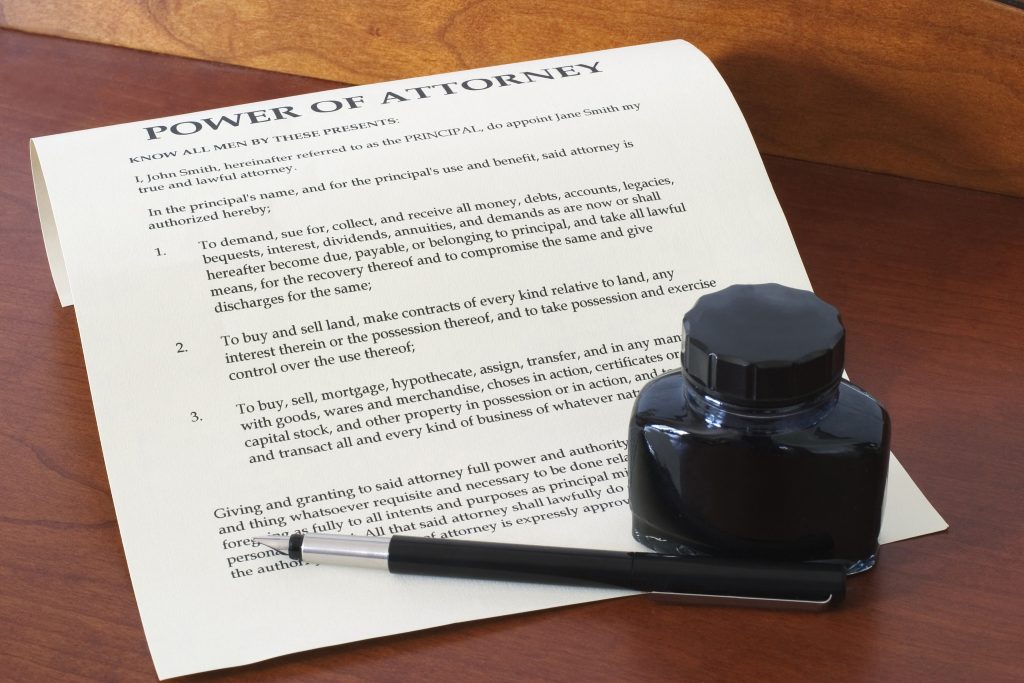
Planning for the possibility of diminished capacity is never pleasant, yet it becomes more important as individuals age or face increasing health concerns. Many Floridians will experience some level of cognitive decline or serious medical issues later in life, making it difficult or impossible to manage personal affairs. When that occurs without advanced preparation, families may have no choice but to request a court-appointed guardian. The guardianship process can bring significant financial costs, delays, and emotional strain. Thoughtful planning allows you to maintain authority over your own future by selecting trusted individuals to act on your behalf if you reach a point where you are unable to manage your personal, financial, or medical decisions. With that in mind, the Port St. Lucie attorneys at Kulas Crawford & Smith explain how careful preparation can help you avoid guardianship in Florida.
Understanding Adult Guardianship in Florida
Adult guardianship is a legal protective mechanism that authorizes another person to make decisions for an adult who is no longer capable of managing essential aspects of life. Florida courts may appoint a guardian after determining that an individual lacks the capacity to make informed choices regarding personal welfare, finances, or both. The adult for whom the guardian is appointed is referred to as the ward. Florida law recognizes different types of guardianship, each designed to address the specific needs of the ward.
Guardianship of the Person grants the guardian authority over matters such as health care, living arrangements, daily needs, and other personal issues. Guardianship of the Property empowers the guardian to handle financial responsibilities. Those responsibilities may include managing income, paying bills, protecting assets, and making investment decisions. Plenary Guardianship provides the guardian with full authority over both personal and financial matters. Limited Guardianship restricts the guardian’s powers to areas where the ward truly needs support, enabling the ward to retain as much independence as possible.
Guardianship may become necessary after a sudden medical event, the progression of dementia, or any condition that significantly impairs judgment. Many families understandably want to avoid this intrusive process. Legal planning completed while you are still healthy provides the opportunity to designate individuals of your choosing and ensure that your wishes are honored without formal court intervention.
Legal Strategies to Avoid Guardianship in Florida
Florida residents have access to a variety of legal tools that allow them to maintain control over their affairs even during periods of incapacity. By incorporating these documents into a comprehensive estate plan, you can direct who will act for you, how decisions will be made, and which preferences should guide those decisions.
A Revocable Living Trust is one of the strongest options for avoiding guardianship over financial matters. By creating a trust, you place assets under the management of a trustee. You typically serve as your own initial trustee, which means you retain full control during your lifetime. Within the trust document, you name a successor trustee who steps in automatically if you become unable to fulfill your duties. Because this transition occurs without court approval, management of your property continues without interruption. Trust administration is private and efficient, sparing your family from the public nature and procedural delays of a guardianship case. A trust also offers flexibility, allowing you to revise terms as your circumstances or goals evolve.
A Durable Power of Attorney is another essential planning tool. Through this document, you appoint a trusted agent to manage legal and financial decisions on your behalf. The “durable” designation ensures that the authority remains in effect even if you lose capacity. The agent may perform tasks such as accessing financial accounts, handling real estate transactions, managing investments, or preparing tax filings. Florida law requires specific formalities for a valid durable power of attorney, including proper execution and notarization. Thoughtful selection of an agent is vital because the individual will have substantial responsibility and access to sensitive information. Choosing someone organized, reliable, and financially responsible is critical.
A Health Care Surrogate designation is equally important. Florida law allows you to name a surrogate to make medical decisions when you can no longer communicate your wishes. This document empowers your chosen representative to consult with physicians, evaluate treatment options, and act in accordance with your stated preferences. Many individuals also prepare an advance directive or living will that expresses specific instructions regarding life-prolonging measures, end-of-life care, pain management, and similar issues. Putting these instructions in writing gives clarity to your loved ones and prevents conflict or uncertainty during difficult moments.
Completing these documents before incapacity arises allows you to maintain control while providing clear guidance to those who may need to act for you in the future. It also reduces the likelihood of disagreements among family members and minimizes the risk that someone you would not have chosen ends up in charge of your affairs through a court proceeding.
Can We Help You Avoid Guardianship in Your Future?
To learn more, please join us for an upcoming FREE seminar. If you would like assistance to avoid guardianship in your future, contact an experienced Port St. Lucie estate planning attorney at Kulas Crawford & Smith by calling (772) 398-0720 to schedule a consultation.

- Asset Protection Mistakes That Could Put Your Florida Estate at Risk - September 16, 2026
- Choosing the Right Type of Will for Your Florida Estate Plan - September 2, 2026
- What You Need to Know about Trust Administration in Florida - August 26, 2026